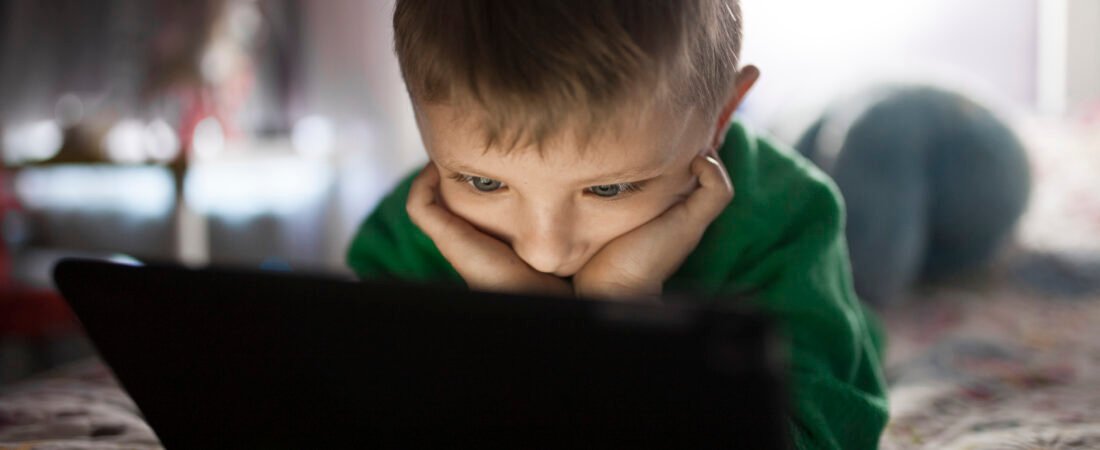
Are you a parent who feels guilty for letting your child use gadgets every day? Or maybe you’ve tried so many times to avoid screens altogether — only to eventually give in?
Yes, I’ve been there too.
I am a mom to a 5-year-old child with autism, and like many parents, I’ve received a lot of advice—especially when he was younger. People would tell me not to allow my child to use gadgets too much as it limits his chance to interact with us, his family.
I understand where that’s coming from, but I’’ll be honest:
Even now, gadgets are still part of his daily routine.
In this blog, I want to share with you our real experience —how screen time can sometimes have downsides, but also how it has become such a helpful and meaningful tool in our parenting journey. My child is not conversational yet, and making him use gadgets has helped us in so many ways – keeping him calm, developing his creativity, expressing himself in a way. It has been more than just a mere distraction.
A Short Background: How It Started
Each parent has his own story, as to why screen time or gadgets can be handy.
My husband and I both had full-time, work-from-home jobs, so during work hours, we were constantly busy. So we set up a little corner for our toddler — toys on one side, the TV on in the background — just to keep him occupied and safe while we got things done (work and household chores).
In other words, the TV became our helper. It was our way of keeping him distracted so we could meet deadlines, join work meetings, and do our jobs.
He seemed to enjoy some of the TV shows and YouTube videos, but there were some that overwhelmed him, especially those that have animal characters in them, or with celebratory sounds like “Yehey”.
To avoid him getting upset with these types of videos, I had to be extra careful of what I play for him on YouTube.
Screen Time and Sensory Overload in Autism
When my child turned 3, he was diagnosed with Level 2 Autism. When we started attending occupational therapy sessions, I began hearing the term “sensory overload” or “sensory processing disorder.” I learned that it’s very common in children on the autism spectrum.
It happens when there’s too much going on around them — like loud or high-pitched sounds, bright lights, certain textures or strong smells — and their brain has a hard time handling or making sense of it all.
I read more information about sensory overload, and it helped me understand why my little boy cries so much when he hears the sound of an elephant, a crowd loudly cheering and clapping, etc. I finally understood why it seemed too painful for his ears, often leading to meltdowns that last up to 30 minutes.
I saw how it could affect him. Even educational videos like Miss Rachel, which many kids enjoy, are too overwhelming for him. Maybe it’s the high-pitched voice when she says “Hi!” or “Yay!”, or the exaggerated facial expressions and nonstop singing. Even now, if he accidentally plays one of those videos, he’ll quickly cover his ears, start stimming (my signal to stop it).
Sensory Overload: What It Has Taught Me
Learning about sensory challenges in autism has taught me to be understanding, patient, and to be present for my child. It made me see capabilities in myself which I never knew were there. I learned how to be alert and be flexible. The moment I hear or see a video that might overstimulate him, I step in and shut it off right away. It’s become part of our routine — our little drill to help keep him calm and safe.
So for me, there’s nothing wrong with letting him have screen time, or use gadgets as long as you are present when he needs support.
Screen Time and Gadgets: The Positive Effects on My Son
I am not so sure with your kids, but mine tinkers a lot with gadgets. I was surprised that he discovered drawing apps such as IbisPaint, ProCreate, Sketches and Freeform.
Often during the day, I see him being calm for a couple of hours, quietly drawing in his gadgets, using these apps. Here are a few of his recent amazing creations:


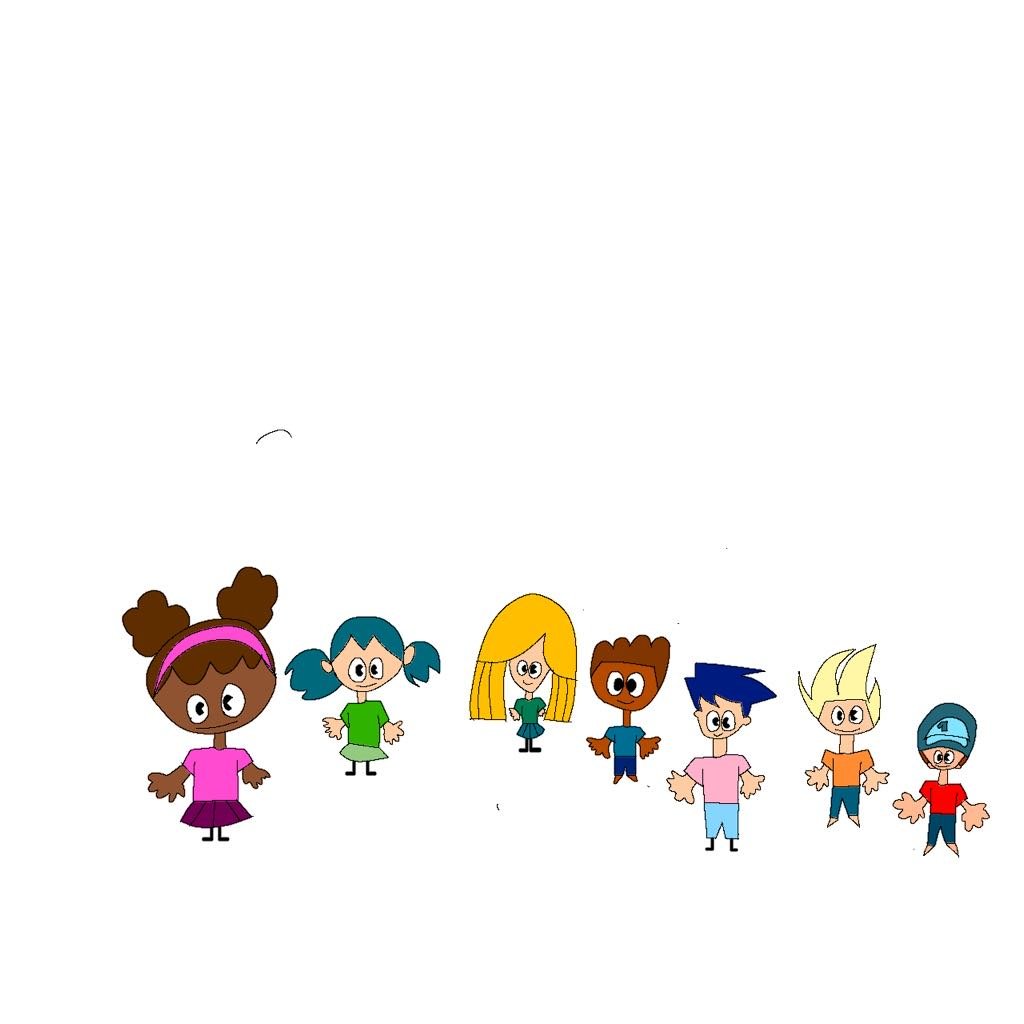
His artworks can be quite random – from planets of the Solar System, to a favorite story book illustration, or to favorite characters of a show – he can be super creative. His imagination just wows me all the time.
When Screens Spark Curiosity
Aside from digital drawing, there were also other apps that helped my son. Fun and interactive apps like LingoKids, CardTalk, BusyBoard and even Toca Boca have taught him to:
- Read
- Spell words
- Sing
- Solve puzzles
- Say a few meaningful words and phrases
Using gadgets has even taught him to research in Google or YouTube about things he sees or hears.
One time we came from a pedia appointment, where he received a vaccine. So he got pricked by a needle. When we got home, I showed him the band aid on his thigh, and I said “Hurt Kanye. Needle. Tsk. (imitating a pricking sound)”.
Then he immediately took his Tablet, and typed “Needle” and “Doctor” on Youtube. Videos of children getting vaccinated came out in the results.
He also used the Youtube mic icon – Tapping it he said in a loud voice to search, “Child sick”.
A few days after, I saw drawings of syringes, a child with a Kool Fever on the forehead, and even a mouth, showing the throat.

For me, his actions show something truly meaningful.
It was like he was trying to process information in his own unique way, and yes, through his gadgets.
Through Gadgets: The Way He Makes Sense of Things
- He’s Trying to Understand What Happened: He searched for “doctor” and “needle” on YouTube right after getting his vaccine. That shows curiosity. Maybe he was trying to understand what happened, through visuals. Watching videos helped him make sense of what he felt or saw at the clinic.
- He’s Expressing Emotion Through Art: This might be his way of expressing how he felt during or after the vaccine. My child does not yet express his emotions with words, so maybe through his drawing, he might be saying “This is what happened to me,” or even, “This is how I felt.”
- He’s Replaying and Reprocessing: When my son feels scared, hurt, or confused, the feeling doesn’t just go away. Sometimes, I think he replays what happened—by watching videos or drawing—because it helps him make sense of it. Maybe it’s his way of understanding the experience better. And hopefully, the more he does this, the less scary it becomes over time.
- He’s Developing Emotional Awareness: He may have developed emotional awareness. Even though he’s not yet able to express through words yet, my son might have thought that he really needed care and comfort.
Well, these are just my key takeaways based on what I observed in my son, and I hope I am making some sense though. I know that every autistic child is different.
Wrapping It Up
While gadgets may have downsides — especially when not regulated — in our case, they’ve become a helpful tool. For my little boy who is on the autism spectrum, his gadgets aren’t just for entertainment. These gadgets help him stay calm while making digital art, and often, they even become a way for him to express what he’s feeling when words don’t come easily.
I know not everyone will relate to our story, and that’s fine. Again, every autistic child is different. There’s a famous saying:
“If you’ve met one person with autism, you’ve met one person with autism.”
And I couldn’t agree more. That truth doesn’t just apply to people with autism— it applies to all children. Each one learns, feels, and communicates in their own way.
As parents, we just have to walk beside them — giving them love, patience, and understanding as they find their path.